

Wearable Technology 2026 The Ultimate Guide to Smart Devices for Health, Fitness and Everyday Life
Wearable technology has moved from novelty to necessity, changing the dimensions in which people track their health, stay active, and manage the basics of life more intelligently than ever. When the first activity trackers appeared a decade ago, they counted steps and logged workouts-but today’s devices do so much more. From predicting health trends to informing decisions in real time, wearables have become intelligent companions.
Whether you’re interested in new smart watches, wireless earbuds with health sensors, or emerging gizmos like smart rings and sleep masks, this guide boils down the key developments that are shaping the market now and will into the future. By the end, you’ll clearly understand what wearable tech can do for you-and which categories matter most in 2026.
What Is Wearable Technology?
Wearable technology refers to devices designed to be worn on the body that collect, interpret, and respond to data about activity, health signals, environmental context, or personal interactions. Unlike phones or tablets, these devices remain in constant contact with the individual, thus allowing for continuous measurement and the delivery of insight.
Most wearables today fit into a few broad categories-from watches to earbuds-but their shared purpose is unmistakable: to turn inanimate everyday tools into dynamic systems that empower people to make better choices about everything from wellness and productivity to lifestyle. Today’s wearables integrate sensors, predictive software, and connectivity to offer immediate feedback. Beyond fitness, applications include biometric monitoring, early warning alerts, and personalized coaching, making them indispensable companions in health tracking and daily convenience.
Wearable Tech Categories Explained
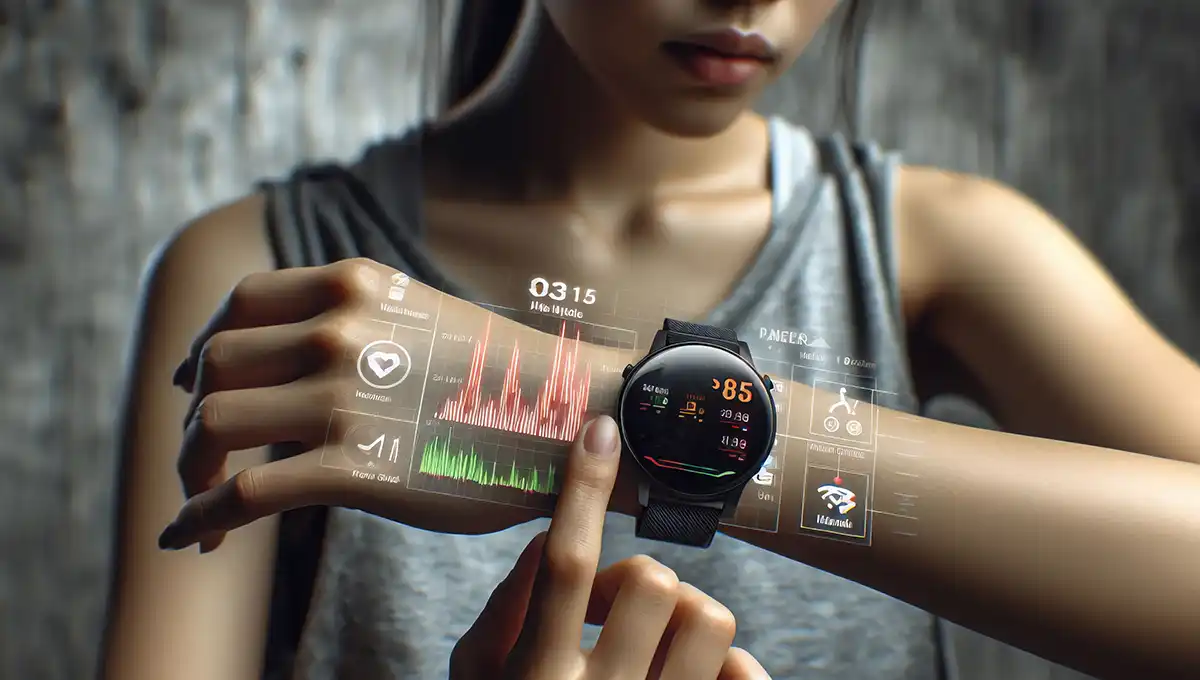
- Smart Watches: The All‑Round Companion:- Smartwatches are still the most popular wearable you can buy, with notifications, fitness features and more on board. Such devices can measure heart rate, track activity, guide workouts and can even help monitor stress or sleep with sensitive sensors. Today’s models focus on predictive health data and contextual assistance, rather than simply logging information.
Users enjoy the convenience of built‑in GPS, advanced interfaces, and seamless connectivity in smart watches as a wearable companion for work or play. - Wireless Earbuds: Hearables With Health Intelligence:- No longer are wireless earbuds only defined by their audio performance; latest versions include health‑focused sensors. These can track heart signals, stress levels and other metrics that fit within fitness goals. Of course, there is also the enhanced spatial audio and adaptive noise feature which adds to the listening experience, making earbuds into versatile hybrids as well.
- Best Fitness Trackers: Pure Focus on Activity :-Fitness trackers remain some of the best entry points in wellness tracking, minus the watch complication. They center on such metrics as steps, active minutes, calories and sleep patterns, and usually come with longer battery life and a bare-bones interface. They are perfect for people who are mainly interested in tracking movement and basic health data.
- Smart Rings for Your Health: Discreet ad Powerful:- Smart rings have some really advanced sensors built in, yet they come in a minimalist design you wouldn’t expect. They provide ongoing biometric monitoring with battery life to match, and are great for people who want insights without awkward hardware tracking heart health, sleep states and even stress levels.
- Smart Sleep Masks: Sleep Optimizers:- This new category measures sleep quality by the sleep stages and allows to gently guide rest through cues or interface feedback. These smart wearables aid users in maximising nightly recovery and overall well‑being.
How to Choose the Right Wearable for You
The best wearable is a matter of personal goals, comfort and device ecosystem. Begin by thinking about what you value most: health metrics, insights from your Fitbit, seamless integration into your lifestyle or a simple daily prep.
- Purpose and Metrics: Basic activity goals are well-suited for pedometers Fitness trackers, advanced health monitoring and lifestyle integration best match smart watches and rings.
- Comfort and Discreet Wear: Lighter rings, or earbuds, are comfortable to wear in case comfort and being discreet is what you prefer. The smartwatch is unparalleled in terms of rich features and onscreen interaction.
- Battery and Reliability: Keep an eye on battery life, with some trackers lasting just a day or two before you need to charge them.
- Data Accuracy and Privacy: Trust in your sensor arrays and data warehousing is a must look for trustworthy brands with strong reputations around providing accurate readings and privacy policies.
- Compatibility: Make sure the equipment you are purchasing is compatible with your smartphone and work together to fill in those gaps.
Common Wearable Myths and Data Privacy
| Myth | Reality / Explanation | User Tip |
| Wearables invade privacy | Reputable manufacturers implement robust data protection and allow users to control what is shared and stored. | Review privacy settings carefully and choose devices with secure data practices. |
| More data always equals better health | Quantity of data doesn’t guarantee insight. Quality, context, and accurate interpretation matter more. | Focus on actionable insights and personalized recommendations rather than overwhelming yourself with raw data. |
Conclusion
Wearables in the year 2026 are a confluence of innovation, comfort, and intrinsic insights into better health. Ranging from smart watches, advanced fitness trackers, smart rings, wireless earbuds, and intelligent sleep solutions, the developments in the use of wearables have further opened the way for interaction between the user and their well-being. Through the selection of the right gadgets based upon the preferences of the user, the mere monitoring of well-being can be changed into the bettering of it.
Are you ready to do something more to get smart health and easily accessible convenience? Then browse wearables that connect with you and get a first-hand experience of the future of personal technology. Start your wearable experience today and gain knowledge to empower all your decisions.