



Best Diet for Immune System Health and Stronger Everyday Wellness Habits
Your body is always at war, but you aren’t even aware of it. What your immune system needs is proper nutrition.
Everyone who catches the slightest symptoms starts drinking some fancy immunity drinks or taking multitudes of vitamins immediately. But the reality is that the best diet for the immune system can’t be developed overnight.
This process takes time, and if you rely on vitamin shots while eating fast food and sleeping only for three hours, then you should be prepared for the consequences. In this article, we will tell you how to provide your immune system with proper nutrition.
How Your Diet Affects Immune Health
The immunity should be considered as the standing army it requires a steady supply of everything. When there is not enough of vital nutrients supplied by food, this army remains under-resourced.
A study conducted by researchers and published in an international, peer-reviewed nutrition journal determined that the optimal diet for immune system enhancement includes various types of foods such as vegetables, fruits, berries, nuts, seeds, grains, and pulses as well as meats, eggs, dairy products, and oily fish.
In addition to various nutrients, it should be mentioned that the gastrointestinal tract significantly affects immunity. According to Dr. Mark Hyman, MD, about 60% of the immune system lies in the gut.
Therefore, skipping meals or relying on processed foods will cause the absence of necessary nutrients for proper functioning of the immune system.
The Best Foods for Immune System Support
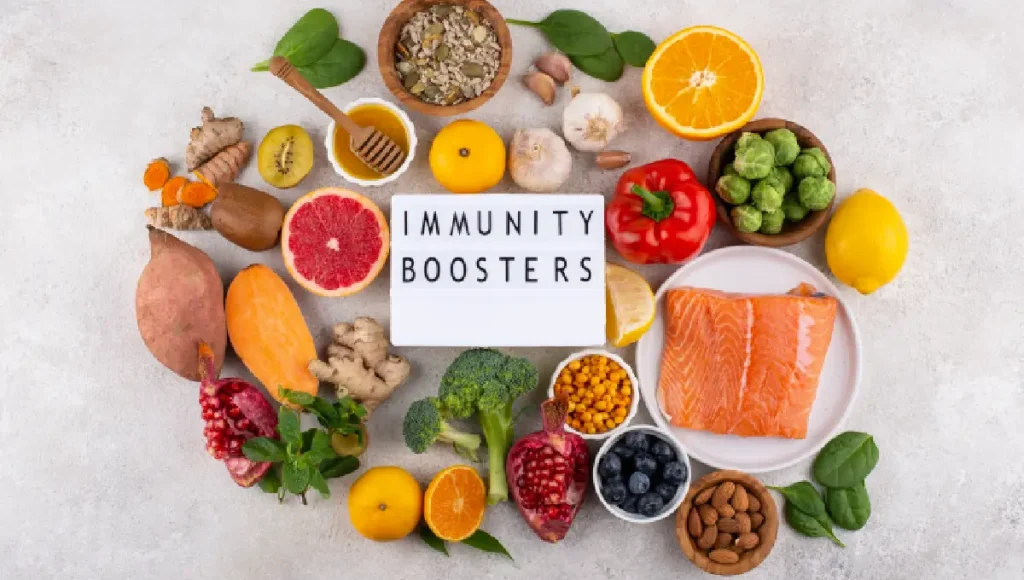
1. Colorful Fruits and the Healthiest Vegetables
Fruits and vegetables not only add colors to our meals but also supply us with antioxidants, fiber, and vitamins to boost immunity and prevent inflammation. Spinach, blueberries, broccoli, orange foods, and citrus fruits contain important elements needed for boosting one’s immunity by supplying the required elements to the body.
2. Protein Sources That Help Immune Function
Immune response is significantly dependent on protein. Proteins help build antibodies, which are crucial in fighting infections. Examples of foods that contain protein include salmon, eggs, Greek yogurt, beans, and lentils. These foods not only contain proteins but also other elements like zinc, selenium, and omega-3 fatty acids.
3. Foods That Support Gut Health
Healthy gut flora leads to an enhanced immune system due to the fact that most of our immune functions occur in the gastrointestinal tract. Probiotics such as yogurt, kefir, kimchi, and sauerkraut are all effective in maintaining healthy bacteria within the body, while high-fiber content in whole grains helps good bacteria in digestion and immunity.
What a Well-Balanced Diet Looks Like Day to Day
Proper nutrition doesn’t have to be overly complex. Here’s a basic template to use when preparing meals that will boost your immune system without much thought:
- Half the plate: A variety of colorful vegetables and fruits
- One-quarter of the plate: Low-fat protein sources (fish, eggs, legumes, poultry)
- One-quarter of the plate: Whole grains (brown rice, oats, quinoa)
- Extra: Healthy fats (olive oil, nuts, avocado)
On busy days, meal prepping during the weekend is key. Make a pot of grains, a pan full of vegetables, and a few boiled eggs. You’ll end up with a base for a couple of immunity-boosting meals in less than an hour.
Water is also essential. It will help cleanse the body of toxins, transport nutrients, and regulate the proper function of mucous membranes – your first defense mechanism. You should drink about eight glasses daily.
It’s always better to strive for consistency rather than perfection.
Lifestyle Habits That Work Together With Nutrition

Why It Helps to Exercise Regularly
There is no need to go on long-distance running races. Studies have found that regular moderate activity is good for your immune system, but intense physical activity for a long period of time may lead to systemic inflammation and imbalance within the microbes. A 30-minute walk, weight lifting, or cycling a few days per week is enough.
Physical activity increases blood flow, which enables immune cells to move around the body better. Additionally, physical activity reduces stress, which can be harmful to the immune system.
Maintaining a Healthy Weight for Better Immune Function
Extra fat mass, especially when centered in the abdomen, may result in chronic low-level inflammation that could impact immune function. It’s not about the number on the scales; it’s all about maintaining healthy lifestyle practices.
Fad diets fail because, most often than not, they make your body deficient in nutrients, making you even more susceptible to illnesses. It would be best to change slowly yet surely the way you eat and exercise.
Do Supplements to Build Immunity Actually Help?
Supplements can play a role in covering the actual deficiency, but they cannot be used to replace actual food. As mentioned by Harvard Health, vitamin intake could prevent diseases; however, this would only apply to individuals who actually suffer from deficiencies and not to those who have a diverse diet.
Some vitamins you might want to ask your doctor about include:
- Vitamin D: If you have little exposure to sunlight
- Zinc: Helps in building up immune cells
- Vitamin C: Helps decrease cold symptoms
Remember, the focus is on supplements. Dr. Mark Hyman says, “food, sleep, exercise, and stress management trump any supplements.”
Common Mistakes That May Hurt Immune Health

Even a solid diet gets undermined by these habits:
- Too much added sugar suppresses immune response
- Poor sleep impairs immune memory and cell repair
- Excess alcohol depletes zinc and vitamin C
- Chronic stress elevates cortisol, which weakens immune defenses
- Ignoring hydration reduces the effectiveness of mucous membranes
- Extreme dieting causes nutrient gaps that leave you vulnerable
Conclusion
An optimal immune system is not created with one miraculous superfood or a whole supplement pantry.
An optimal immune system is formed by making small and consistent decisions like consuming a color plate of food, protein-rich food choices, probiotics, exercise, and plenty of fluid and sleep.
One’s best diet for immune system is an all-around healthy and balanced diet that one can maintain throughout life. Make small changes starting today. Maybe have some spinach this week, or replace those chips with some fruit or Greek yogurt.
FAQ’s
1. What should I eat to improve my immune system?
Eat a balanced diet with fruits, vegetables, lean protein, whole grains, healthy fats, and probiotic foods to support immune health and reduce inflammation naturally.
2. What single food can you survive on the longest?
Potatoes provide carbohydrates, fiber, vitamin C, and potassium, making them one of the most nutritionally complete single foods for short-term survival needs.
3. What is the best immune booster for diabetics?
Diabetics benefit from leafy greens, berries, nuts, lean protein, and high-fiber foods that support stable blood sugar while strengthening immune system function naturally.
4. How to boost immunity in 3 days?
Focus on hydration, quality sleep, nutrient-rich meals, vitamin C foods, regular movement, and reducing stress to help support immune function quickly and naturally.