


Eco Friendly Products That Reduce Waste and Improve Everyday Living
What if creating less waste did not require a complete lifestyle makeover? Many people assume sustainable living is expensive, inconvenient, or unrealistic, but the truth is much simpler.
Small changes like switching to reusable products or choosing eco-friendly home cleaning products can reduce waste, save money, and create a healthier living space over time.
Today, eco-friendly products are designed to fit naturally into everyday routines without sacrificing comfort or quality. From sustainable clothing to biodegradable garbage bags, practical alternatives are easier to find than ever.
This article breaks down the smartest sustainable swaps, how to avoid greenwashing, and simple ways to make better choices confidently.
Why More People Are Choosing Eco Friendly Products

The demand for eco-friendly products has grown because consumers are becoming more aware of how daily habits affect waste, pollution, and long-term health. Single-use plastics, overpackaged goods, and chemical-heavy household items create unnecessary environmental strain while also increasing household expenses over time.
Many families are now replacing disposable items with reusable products that last longer and reduce recurring purchases. Simple switches like reusable water bottles, refillable containers, and eco-friendly tote bags help cut down on waste without adding complexity to daily life.
Environmental advocates like Bea Johnson and Lauren Singer have also helped popularize realistic low-waste living through practical routines and educational content. Their work shows sustainability can be approachable rather than extreme.
What Makes a Product Truly Eco Friendly?
Not every product labeled “green” or “natural” is actually sustainable. A truly eco friendly products reduces environmental impact through its materials, durability, packaging, and disposal process.
Products made from bamboo, recycled fibers, glass, stainless steel, or organic cotton are often better alternatives to single-use plastic items. Long-lasting reusable products also help minimize waste because they replace disposable items used daily.
Eco friendly packaging matters as well, especially when brands use recyclable cardboard, compostable mailers, or refill systems instead of excessive plastic. However, shoppers should avoid vague sustainability claims without transparency. Zero Waste Home shares practical examples of realistic low-waste living and smarter reusable habits.
Everyday Eco Friendly Products Worth Switching To
1. Kitchen and Grocery Essentials
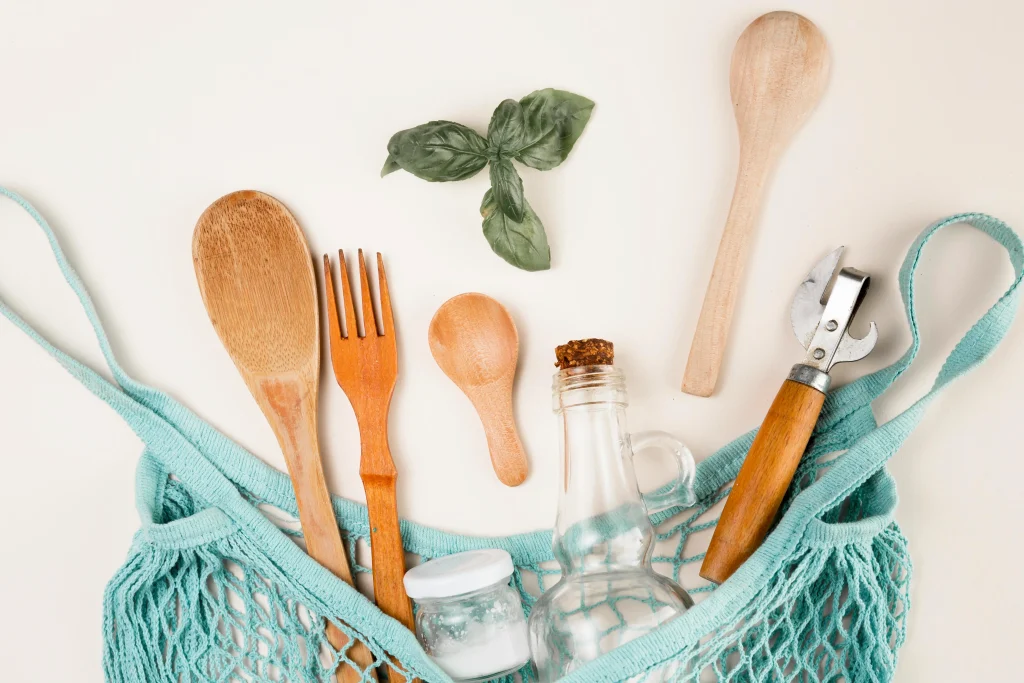
One of the easiest ways to reduce waste is by replacing disposable kitchen items with reusable products. Refillable water bottles, beeswax wraps, reusable coffee cups, and glass food containers help eliminate constant single-use waste.
Eco friendly tote bags are another simple but effective swap. Keeping foldable tote bags in your car or backpack prevents the need for plastic shopping bags during quick errands or grocery trips.
2. Eco Friendly Home Cleaning Products
Traditional cleaning products often contain harsh chemicals and excessive plastic packaging. Many eco-friendly home cleaning products now use plant-based ingredients, refill systems, and concentrated formulas that reduce both waste and storage needs.
Sustainability entrepreneur Lauren Singer also built awareness around low-waste cleaning alternatives through her educational content and sustainable product initiatives.
3. Better Waste Management Solutions
Biodegradable garbage bags are becoming popular for households trying to reduce plastic waste. While they are not a perfect solution, they can help minimize long-term environmental impact when paired with composting and responsible waste separation.
4. Sustainable Personal Care ProductsS
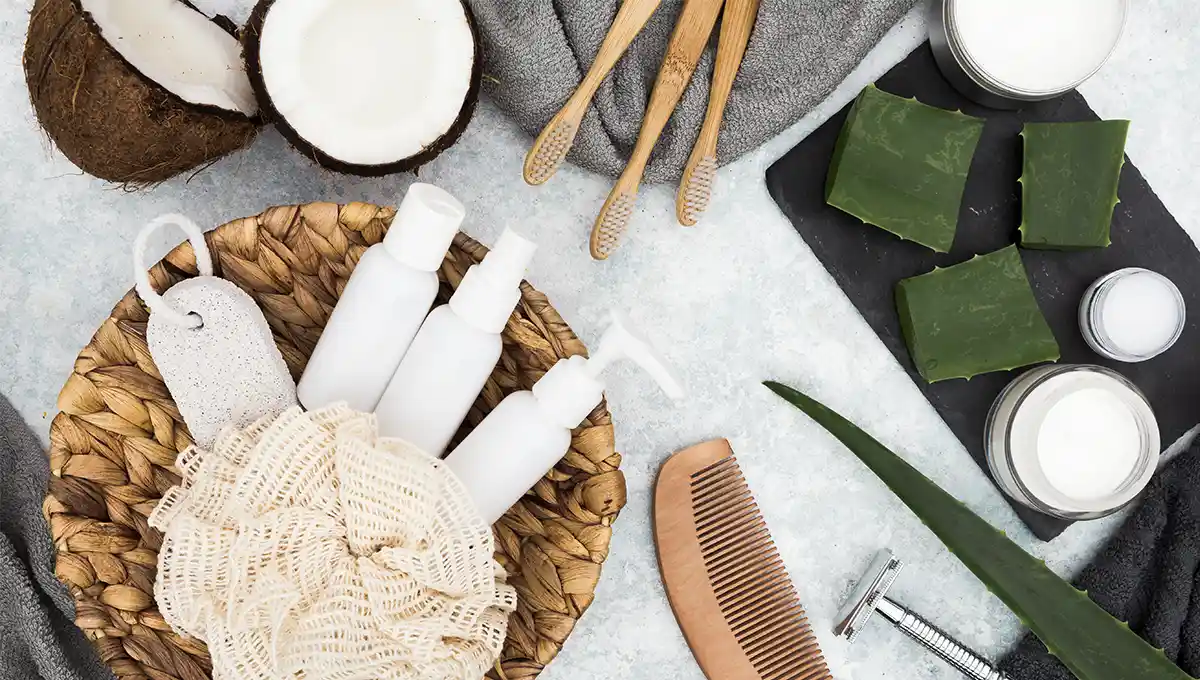
Personal care products like bamboo toothbrushes, refillable deodorants, safety razors, and shampoo bars help reduce bathroom waste significantly. Many people also prefer these products because they avoid excessive packaging and unnecessary chemical ingredients.
How Sustainable Clothing Supports a Low-Waste Lifestyle

Fast fashion creates enormous textile waste because cheaply made clothing is designed for short-term use. Sustainable clothing focuses on durability, ethical production, and environmentally responsible materials instead of constant replacement.
Many sustainable brands now use organic cotton, hemp, recycled fabrics, and low-impact dyes to reduce environmental damage during manufacturing. Buying fewer high-quality pieces often saves more money long term than repeatedly purchasing low-cost clothing that wears out quickly.
Another smart strategy is choosing timeless styles that work across multiple seasons rather than following short-lived trends. Repairing clothes, shopping secondhand, and supporting transparent brands also contribute to a more sustainable wardrobe.
Several sustainability influencers actively promote mindful fashion choices and reusable lifestyles. Trash Is For Tossers and Package Free Shop regularly share practical advice for reducing waste through smarter shopping habits.
How to Avoid Greenwashing When Shopping
Greenwashing happens when brands use eco-friendly language without meaningful sustainability practices behind it. Labels like “all-natural,” “clean,” or “earth-friendly” may sound convincing but often lack real accountability.
Instead of relying on marketing alone, shoppers should check:
- Ingredient transparency
- Packaging materials
- Refill options
- Product durability
- Independent certifications
Reliable sustainable brands usually explain where materials come from, how products are manufactured, and how customers should dispose of them responsibly.
It is also important to remember that sustainability is not about perfection. Even experienced environmental advocates focus on gradual improvement rather than unrealistic zero-waste expectations. Bea Johnson frequently emphasizes reducing unnecessary consumption before purchasing new “eco” alternatives.
Are Eco Friendly Products More Expensive?
Yes, some eco-friendly products cost more upfront, but many save money over time because they last longer and reduce repeat purchases. Reusable products like insulated bottles, cloth towels, refillable cleaning systems, and durable food containers often replace hundreds of disposable items.
Eco friendly home cleaning products with concentrated formulas can also reduce long-term costs because users buy fewer plastic bottles throughout the year.
The key is starting with practical swaps instead of trying to replace everything immediately. Most people find it easier to focus on high-waste areas first, such as kitchen storage, grocery shopping, and personal care products.
Sustainable living works best when it feels manageable and realistic. Gradual changes usually create stronger long-term habits than attempting a complete lifestyle overhaul overnight.
Conclusion
Building a more sustainable lifestyle does not require perfection, expensive upgrades, or dramatic sacrifices. Choosing eco-friendly products is really about making smarter everyday decisions that reduce waste, improve product quality, and support healthier routines over time.
Whether you start with reusable products, sustainable clothing, eco friendly tote bags, or better personal care products, even small adjustments can create meaningful long-term impact.
The most effective approach is to focus on realistic habits you can maintain consistently. Start with one simple change today, build from there, and create a lifestyle that feels both practical and environmentally responsible without adding unnecessary stress to your routine.
FAQs
- What are some examples of eco-friendly products?
Eco-friendly products include reusable bottles, bamboo toothbrushes, biodegradable garbage bags, eco-friendly tote bags, and plant-based cleaning supplies. - Which country is the most green?
Countries like Denmark, Sweden, and Finland are often recognized for sustainability, renewable energy usage, and environmentally friendly policies worldwide. - What are the eco-friendly products ideas?
Popular eco-friendly product ideas include reusable kitchen items, sustainable clothing, refillable personal care products, and eco friendly packaging alternatives. - What are eco-friendly household products?
Eco-friendly household products include reusable containers, biodegradable garbage bags, natural cleaners, refillable soaps, and eco-friendly home cleaning products.



One thought on “Eco Friendly Products for a Greener Lifestyle”
Comments are closed.